Intrusion alarm

Alarm
Intrusion and hold-up systems end in a siren, a text message or a panel nobody reads. We connect them to one place: verified before anyone is sent, decided in our center, written down as it happens.
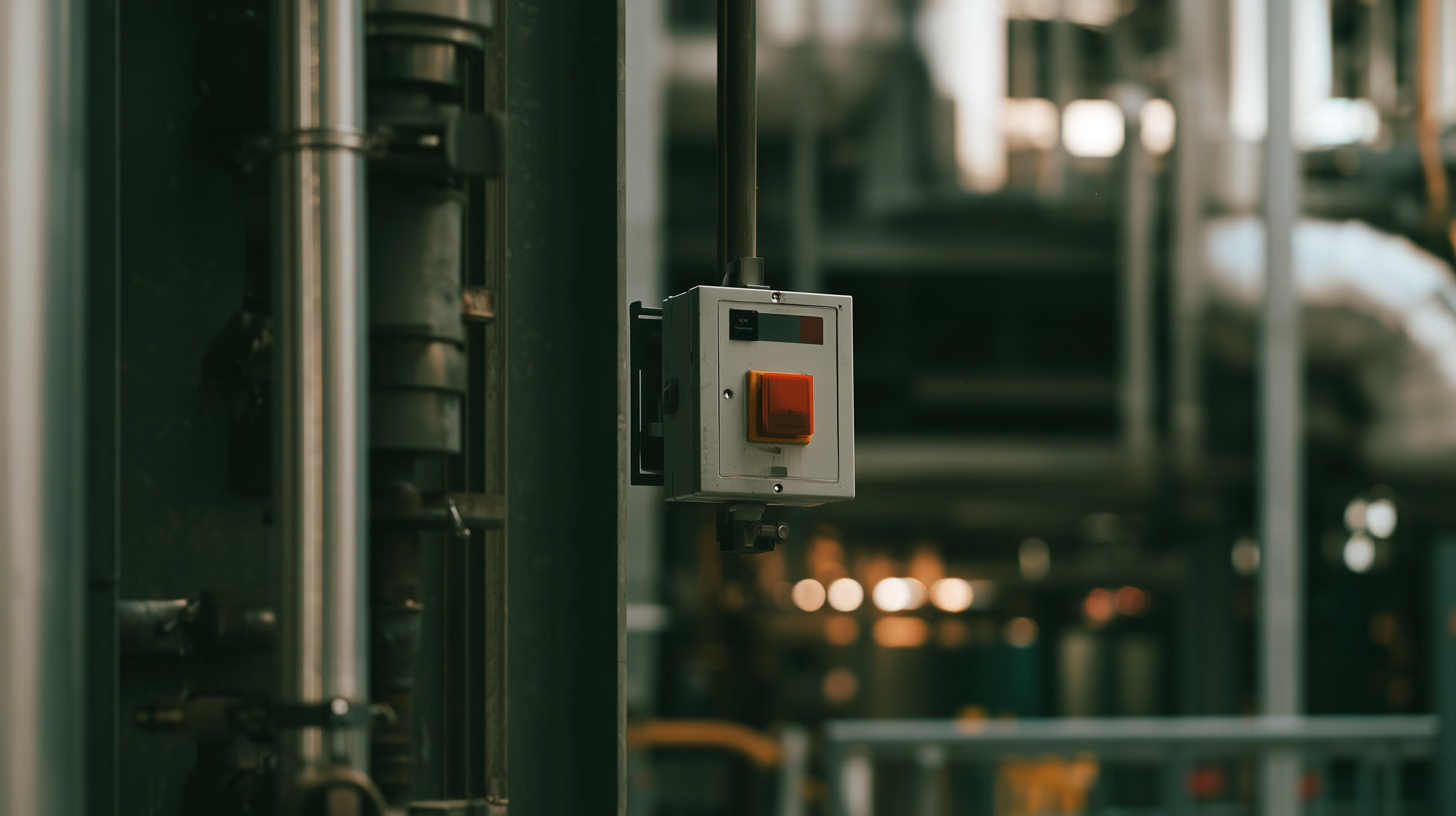
An alarm system does one job, and does it well: it detects. It cannot qualify what it found, weigh it, or call anyone — and the moment it fires, it reduces everything it knows to alarm or no alarm. Theconnection (Aufschaltung) completes it, and keeps that data alive.
A connection has two jobs. When something happens, someone acts. When nothing happens, nobody is disturbed. Most signals are routine, so every signal is set in context first: the site, its history, its other sources, the plan agreed for it. The common panels and protocols are already mapped; your installer connects it. By the time your phone tells you what happened, it also tells you what was done about it, by whom, and when.
Intrusion alarm
Hold-up alarm

Fire alarm

Radar

Talk to us about your sites.
Book a conversation